
Introduction
Many people want to start their own supplement brand, but they often feel stuck at the beginning. Questions like “How long will it take?”, “How many units do I need to order?”, and “What if my idea fails?” create confusion and delay action.
The truth is that launching a supplement product is not as complicated as it seems—if you understand the process clearly. With the right strategy, you can reduce risk, control costs, and move faster in the market.
In this guide, you will learn three essential things every beginner must know: how long it takes to launch a supplement product, what minimum order quantity (MOQ) really means, and how to validate your supplement idea before investing money. This blog focuses on practical steps and real insights so you can make confident decisions and avoid costly mistakes.
How Long Does It Take to Launch a Supplement Product?
Understanding the Timeline in Simple Terms
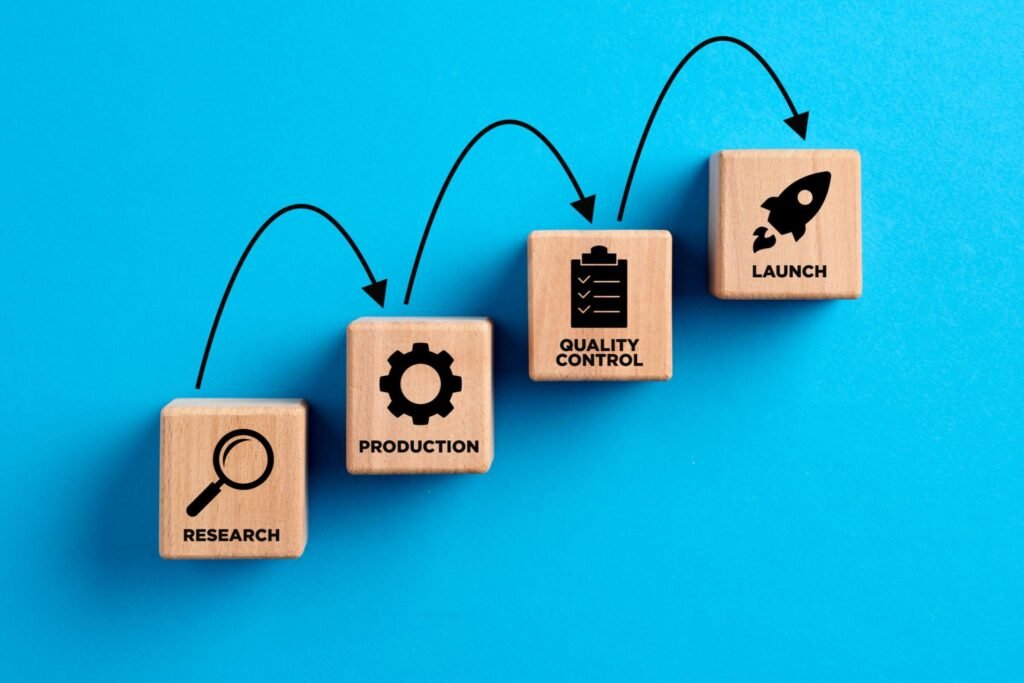
Launching a supplement product usually takes 4 to 12 weeks, depending on your approach. The timeline varies based on whether you choose private labeling or custom formulation.
Typical Timeline Breakdown
Week 1–2: Research and Planning
- Choose your niche and product type
- Analyze competitors
- Define your target audience
Week 2–4: Manufacturer Selection
- Contact suppliers
- Request samples
- Finalize pricing and MOQ
Week 3–6: Branding and Packaging
- Create your brand name and logo
- Design product labels
- Ensure compliance with regulations
Week 5–8: Production Phase
- Manufacturer produces your supplements
- Packaging and labeling are completed
Week 7–10: Website and Marketing Setup
- Build your online store
- Prepare marketing content
- Set up social media accounts
Week 8–12: Launch
- Receive inventory
- Start selling
- Monitor performance
Factors That Affect Launch Time
- Product complexity (simple vitamins vs custom blends)
- Manufacturer efficiency
- Packaging design revisions
- Regulatory approvals
How to Speed Up the Process
- Choose private label products instead of custom formulas
- Work with experienced manufacturers
- Finalize branding quickly
- Avoid unnecessary changes
Minimum Order Quantity (MOQ) Explained for Supplement Manufacturing
What is MOQ?
Minimum Order Quantity (MOQ) is the minimum number of units you must order from a manufacturer in one production run.
For example, if a supplier has an MOQ of 500 units, you cannot order less than that.
Why MOQ Matters
MOQ directly impacts:
- Your initial investment
- Inventory risk
- Pricing per unit
Higher MOQs usually mean lower cost per unit, but higher upfront cost.
Typical MOQ in Supplement Industry
- Private label products: 100–500 units
- Custom formulations: 500–5000+ units
How to Choose the Right MOQ
Start Small
If you are a beginner, choose a supplier with a low MOQ to reduce risk.
Balance Cost and Risk
Lower MOQ = higher cost per unit
Higher MOQ = lower cost but more risk
Test Before Scaling
Start with a smaller batch and increase orders after validating demand.
Tips to Handle MOQ Smartly
- Negotiate with suppliers
- Look for manufacturers offering starter packages
- Avoid overstocking in the beginning
- Focus on selling before reordering
Common MOQ Mistakes to Avoid
- Ordering too much inventory without testing demand
- Choosing low-quality suppliers just for low MOQ
- Ignoring storage and logistics costs
How to Validate Your Supplement Idea Before Production
Why Validation is Critical
Many supplement businesses fail because they launch products without confirming demand. Validation helps you ensure that people actually want your product before you invest money.
Step-by-Step Validation Process
Step 1: Identify a Real Problem
Ask yourself:
- What issue does my product solve?
- Who is facing this problem?
Example: People struggling with sleep may need natural sleep supplements.
Step 2: Analyze Market Demand
Check:
- Search trends
- Online reviews
- Social media discussions
Look for signs that people are actively searching for solutions.
Step 3: Study Competitors
- What products are already available?
- What are their strengths and weaknesses?
Read customer reviews to find gaps you can fill.
Step 4: Test Your Idea with a Small Audience
- Create a simple landing page
- Run ads or social media posts
- Collect feedback and interest
If people show interest, your idea has potential.
Step 5: Pre-Sell Your Product
One of the best validation methods is pre-selling:
- Offer your product before production
- Collect orders or sign-ups
This confirms real demand.
Step 6: Gather Feedback and Improve
Ask potential customers:
- What do they like?
- What do they want improved?
Use this feedback to refine your product.
Real-Life Example
Imagine you want to launch a collagen supplement for skin health. Instead of ordering 1000 units immediately, you:
- Create a landing page
- Promote benefits on social media
- Collect emails or pre-orders
If people respond positively, you move forward with production confidently.
Validation Mistakes to Avoid
- Relying only on personal opinion
- Skipping market research
- Ignoring negative feedback
- Investing too much too early
Customer Pain Points and Practical Solutions
“I am afraid of losing money”
Start with low MOQ and validate your idea before production.
“I don’t know how long it will take”
Follow a structured timeline and work with experienced partners.
“What if my product doesn’t sell?”
Test demand using pre-selling and audience feedback.
“I feel overwhelmed by the process”
Break the journey into small steps and focus on one stage at a time.
Expert Tips for Better Results
- Focus on one product initially
- Build a strong brand story
- Use customer feedback as your guide
- Invest in marketing early
- Track results and improve continuously
Frequently Asked Questions (FAQs)
1. How fast can I launch a supplement product?
You can launch within 4 to 8 weeks using private labeling.
2. What is a good MOQ for beginners?
An MOQ of 100 to 300 units is ideal for beginners to reduce risk.
3. Can I start without holding inventory?
Yes, some suppliers offer dropshipping or low-inventory models.
4. How do I know if my product idea will work?
Validate your idea through market research, audience feedback, and pre-selling.
5. Is custom formulation better than private label?
Custom formulation offers uniqueness but takes more time and investment.
6. What happens if I cannot sell my inventory?
You may face financial loss, which is why validation and small initial orders are important.
7. Do I need a website before launching?
Yes, having a simple and professional website helps build trust and generate sales.
Conclusion
Launching a supplement product becomes much easier when you understand the timeline, manage MOQ wisely, and validate your idea before investing. Most successful brands do not rely on guesswork—they follow a structured process and make data-driven decisions.
By planning your launch in phases, starting with a low MOQ, and testing your idea in the market, you reduce risk and increase your chances of success. Remember, the goal is not just to launch quickly but to launch smartly.
Take the first step today by researching your niche and testing your product idea. Once you see real demand, you can confidently move into production and build a strong supplement brand.