
Introduction
Starting your own supplement brand may seem complex and expensive, especially if you believe you need a manufacturing facility. The good news is that you can successfully launch a supplement business without owning any production setup. Many modern brands operate by outsourcing manufacturing and focusing on branding, marketing, and customer experience.
This blog will guide you step by step on how to start your own supplement brand without a manufacturing facility. You will learn how to choose the right niche, find reliable manufacturers, build a strong brand, and market your products effectively. This approach allows you to enter the growing health and wellness industry with lower investment and reduced risk.
If you are looking for a practical and beginner-friendly roadmap to build your own supplement business, this guide will help you make informed decisions and avoid common mistakes.
What Does It Mean to Start a Supplement Brand Without Manufacturing?
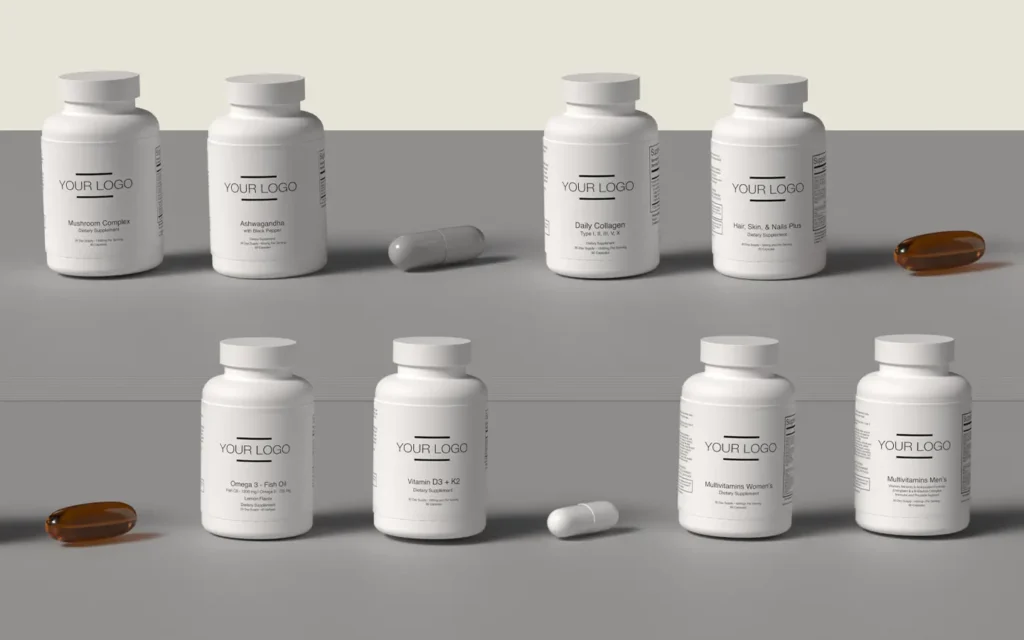
Starting a supplement brand without manufacturing means you partner with third-party manufacturers who already produce supplements. These companies allow you to sell products under your own brand name.
This model is commonly known as:
- Private labeling
- Contract manufacturing
- White labeling
Instead of creating products from scratch, you select existing formulas, customize branding, and sell them as your own.
Why This Model Works for Beginners
Low Startup Cost
You avoid the high cost of setting up a manufacturing facility, which includes equipment, labor, and certifications.
Faster Launch
You can bring your product to market much faster since the formulations are already developed.
Focus on Core Business
You can concentrate on marketing, branding, and customer engagement rather than production.
Easy Scalability
Once your brand gains traction, you can expand your product range without increasing operational complexity.
Step-by-Step Guide to Starting Your Supplement Brand
Step 1: Choose a Profitable Niche
Selecting a niche is critical for success. Avoid trying to target everyone. Focus on a specific audience with a clear problem.
Popular niches include:
- Fitness and muscle building
- Weight management
- Skin and beauty
- Immunity support
- Mental wellness and sleep
Choose a niche that aligns with your interests or expertise. This will help you create more authentic and engaging content.
Step 2: Conduct Market Research
Understanding your market helps you create products that people actually want.
Key questions to ask:
- What problems are customers facing?
- Which products are trending?
- Who are the top competitors?
You can analyze:
- Customer reviews on e-commerce platforms
- Social media discussions
- Search trends
Your goal is to identify gaps where your brand can offer better value.
Step 3: Find a Reliable Manufacturer
Choosing the right manufacturer is one of the most important decisions.
Look for manufacturers that:
- Follow GMP (Good Manufacturing Practices)
- Offer private labeling services
- Provide low minimum order quantities
- Conduct third-party testing
Important questions to ask:
- What are the pricing and minimum order requirements?
- Can I customize the formula or packaging?
- What certifications do you have?
Always request product samples before finalizing your decision.
Step 4: Build a Strong Brand Identity
Your brand is what differentiates you from competitors.
Focus on:
- Brand name
- Logo design
- Brand message
- Target audience
Define your brand clearly. For example, a fitness brand may focus on performance and strength, while a beauty supplement brand may emphasize confidence and wellness.
Step 5: Design Effective Packaging
Packaging plays a major role in attracting customers and building trust.
Best practices:
- Keep the design clean and professional
- Highlight key benefits clearly
- List ingredients transparently
- Follow regulatory labeling guidelines
Your packaging should communicate quality and credibility at first glance.
Step 6: Set Up Your Online Store
You can start selling without a physical store by creating an online presence.
Options include:
- Shopify
- WooCommerce
Make sure your website:
- Loads quickly
- Is mobile-friendly
- Has clear product descriptions
- Includes customer reviews
- Offers secure checkout
A well-designed website improves trust and conversions.
Step 7: Develop a Marketing Strategy
Marketing is essential for generating sales.
Effective channels include:
- Social media marketing
- Influencer partnerships
- Search engine optimization (SEO)
- Paid advertising
Focus on creating valuable content such as:
- Educational posts
- Product benefits
- Customer testimonials
Always aim to solve customer problems rather than just promoting products.
Step 8: Launch and Optimize
Once your product is ready:
- Launch your brand
- Gather customer feedback
- Improve based on data
Track important metrics:
- Sales performance
- Customer behavior
- Conversion rates
Continuous improvement is key to long-term success.
Expert Tips for Success
- Start with one or two products to minimize risk
- Prioritize product quality and transparency
- Build trust through honest communication
- Invest in branding and customer experience
- Focus on long-term growth rather than quick profits
Common Mistakes to Avoid
Choosing a niche that is too broad can make it difficult to stand out. Poor product quality can damage your reputation quickly. Weak branding makes your business look unprofessional. Lack of a marketing strategy leads to low visibility and poor sales. Ignoring legal requirements can result in serious issues.
Avoid these mistakes by planning carefully and focusing on quality and consistency.
Customer Pain Points and Solutions
Many beginners worry about limited budgets. You can start small by choosing suppliers with low minimum order quantities.
Some people lack knowledge about supplements. You can overcome this by working with experienced manufacturers and doing proper research.
Competition is another common concern. You can stand out by targeting a specific niche and building a strong brand identity.
Many new entrepreneurs struggle with sales. Learning basic digital marketing and starting with simple strategies can help you grow.
Frequently Asked Questions (FAQs)
1. Do I need a license to start a supplement brand?
Yes, most countries require you to follow health regulations and register your business properly.
2. How much investment is required?
The cost can range from $1,000 to $10,000 or more, depending on the product and order size.
3. Can I start without experience?
Yes, beginners can start by learning step by step and working with experienced partners.
4. How long does it take to launch?
It usually takes around 4 to 8 weeks if you use private labeling.
5. Is the supplement business profitable?
Yes, it can be highly profitable if you choose the right niche and marketing strategy.
6. How can I ensure product quality?
Work with certified manufacturers and request third-party testing reports.
7. Can I sell internationally?
Yes, but you must comply with the regulations of each country you plan to sell in.
Conclusion
Starting your own supplement brand without a manufacturing facility is a practical and achievable goal. By using private labeling and outsourcing production, you can reduce costs, save time, and focus on building a strong brand.
The key to success lies in choosing the right niche, partnering with reliable manufacturers, and implementing effective marketing strategies. Start small, stay consistent, and continuously improve based on customer feedback.
If you are ready to begin, take the first step today by researching your niche and connecting with trusted manufacturers. With the right approach, you can build a successful supplement brand without ever owning a factory.